Resources

Blog

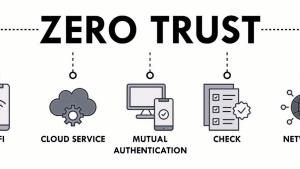
How Data Protection Applies to Zero Trust

Protecting data in the context of zero trust means moving beyond perimeter-based defenses to a model where no user, device, or application is inherently trustworthy. As a result, every access request is verified, continuously monitored, and limited to the minimum necessary permissions needed to perform a job function. This approach reduces the risk of insider threats, compromised credentials, and...
Blog

XDR vs EDR: What You Need to Know

XDR and EDR solutions can help secure your corporate ecosystem from cyber threats, especially with the increasing number of remote workers. Read this blog to learn the differences between the technologies, how they work, and how to choose between the two
On-Demand Webinar

How a $0 DFIR Kit Can Take On Big Dollar Enterprise Tools

Watch this webcast to learn about top Digital Forensic & Incident Response tools, gain insights into effective data collection and analysis, and hear success stories from the IR trenches
Video

Mitigating the Risks of GenAI: Secure Your Data While Empowering Your Workforce

Over half of employees use AI to automate or augment job tasks. Even though there are many benefits as a result of these tools — employee enablement, productivity, time and resources saved — they also pose great risk to your sensitive and private data. AI platforms like ChatGPT and Google Gemini, collect the data submitted by end users to train their models. Any proprietary data submitted to these...
On-Demand Webinar

A Timeless Problem: Preventing USB Data Loss at Your Organization

In the late ‘90s and early ‘00s, USB flash drives were a hot commodity. Back then, they were not very common, had 8MB of storage and the concept of data leaks or picking up malware from one was not considered a major threat.Fast forward over two decades later and not only are they faster but much, much larger often with capacities of up to 1 terabyte. What could sit on a stick of that size? Your...