Resources

Blog

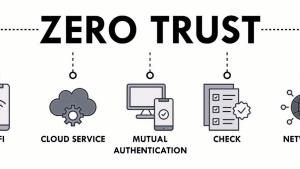
How Data Protection Applies to Zero Trust

Protecting data in the context of zero trust means moving beyond perimeter-based defenses to a model where no user, device, or application is inherently trustworthy. As a result, every access request is verified, continuously monitored, and limited to the minimum necessary permissions needed to perform a job function. This approach reduces the risk of insider threats, compromised credentials, and...
Guide

2023 Zero Trust Security Report

Fortra's 2023 Zero Trust Security Report, in collaboration with Cybersecurity Insiders, reveals how enterprises are implementing zero trust security in their organizations, including key drivers, adoption trends, technologies, investments, and benefits. Some of our key findings include:...
Guide

Why Zero Trust Needs Data Classification to Work

Zero Trust has been one of the cybersecurity industry's favorite buzzwords for a few years and for good reason; it's emerged as a legitimate strategy that—assuming the correct groundwork is laid—can help effectively guard against threats and strengthen an organization’s security posture....
Guide

The Ultimate Guide to Data Protection

The 5 Key Questions of Data Protection We live in a data-driven world. Some have dubbed data as the new oil. As the amount of data generated, mined, and stored grows at unprecedented rates, so increases the tolerance of leaving this data unprotected. Every security and privacy regulation, law, or standard includes requirements and best practices for data protection. This simple guide attempts to...
Guide

Zero Trust File Transfer

Download this guide to learn how our Zero Trust File Transfer bundle enables automatic file sharing, scanning for malware or viruses, and encryption.
Case Study

How A Renowned Healthcare Institution Protects Patient Data In The Cloud

Executive SummaryA world renowned healthcare institution wanted to use the cloud to dramatically improve the ease and speed of sharing information — across their multiple campuses and with their associates around the world — to deliver better patient care. This could not be done without also ensuring the protection of Protected Health Information (PHI).Fortra™’s Digital Guardian® for Cloud Data...
Datasheet

Zero Trust File Transfer

Zero Trust File TransferZero trust is about more than network segmentation. Fortra can help you encrypt and securely share data with authorized individuals while protecting it from viruses and malware. Our Zero Trust File Transfer bundle enables automatic file sharing, scanning for malware or viruses, and encryption, giving you total control over files wherever they travel. The result is portable,...
Blog

Data In Transit & How to Protect It

Data fulfills its purpose and potential when deployed for the right uses. This often requires moving data across systems, platforms, and networks to the target endpoints where it is utilized.
On-Demand Webinar

Combine Data Loss Prevention and DRM to Enhance Data Security

The amount of data that companies are generating and its value to day-to-day business is growing exponentially. All that data is then stored and shared, both internally and externally, through all type of means. How can you ensure that sensitive data remains secure without burdening your end users?Organizations need to consider how to implement simple and scalable security solutions for end-to-end...
Blog

Data Firm Left Records on 48 Million Individuals Online

LocalBlox, a data firm that bills itself as "a powerful, scalable and distributed data acquisition platform" is the latest company to mistakenly leave data out in the open on a publicly accessible Amazon Web Services (AWS) S3 bucket. The company, based in Bellevue, Wash. left a slew of data online; 48 million records containing information on tens of millions of individuals including names, addresses, and dates of birth. The dataset also included data apparently scraped from Twitter handles, along with LinkedIn and Facebook profiles. Data from Zillow, a popular real estate site, has also been scraped and composited into the dataset. The company was notified of the unsecured bucket by researchers with UpGuard, a Mountain View firm that's had a knack for uncovering data sets like this as of late. The firm notified LocalBlox on February 28 and the bucket was secured later that day, UpGuard said Wednesday. The bucket contained a single 151.3 GB compressed file that decompressed to a 1.2 terabyte Newline Delimited JSON file. According to researchers, who combed through the dataset when they first came across it in a subdomain, “lbdumps,” on February 8, each record is in JSON format.