Resources

Blog

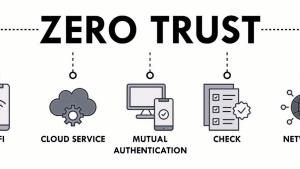
How Data Protection Applies to Zero Trust

Protecting data in the context of zero trust means moving beyond perimeter-based defenses to a model where no user, device, or application is inherently trustworthy. As a result, every access request is verified, continuously monitored, and limited to the minimum necessary permissions needed to perform a job function. This approach reduces the risk of insider threats, compromised credentials, and...

Blog

Understanding Saudi Arabia's NDMO Standards

As governments transition to fully digital records, protecting sensitive data has become a critical priority. In the Middle East, Saudi Arabia is leading the way with its National Data Management and Personal Data Protection Standards.
Case Study

Children's Hospital Protects Protected Health Information with Managed Data Loss Prevention

A children’s healthcare network of hospitals needed a data loss prevention (DLP) solution to protect over 7,000 endpoints across 16 of their hospital locations. Read the case study to learn how Digital Guardian’s Managed Security Program (MSP) helped to reduce their number of critical incidents all while remaining in compliance with HIPAA
Blog

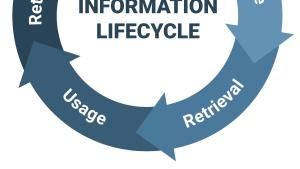
What is Information Lifecycle Management? ILM Explained

Data is the cornerstone of the digital economy, but its constant generation creates challenges for organizations. One such challenge is storing and managing the data securely throughout its lifecycle–namely–creation, storage, processing, archival, and disposition.
Blog

PII Data Classification: 4 Best Practices

Getting personally identifiable information (PII) classification right is one of the first steps to having an effective data protection strategy. We break down four best practices in this blog.
Blog

What are Data Classification Levels?

How do you classify data in your organization? Conducting a data risk assessment and keeping compliance regulations top of mind are some of the first steps to helping an organization protect its data.
Blog

What is HIPAA Compliance?

Learn about the Health Insurance Portability and Accountability Act (HIPAA) and the requirements for HIPAA compliance in Data Protection 101, our series on the fundamentals of information security.